



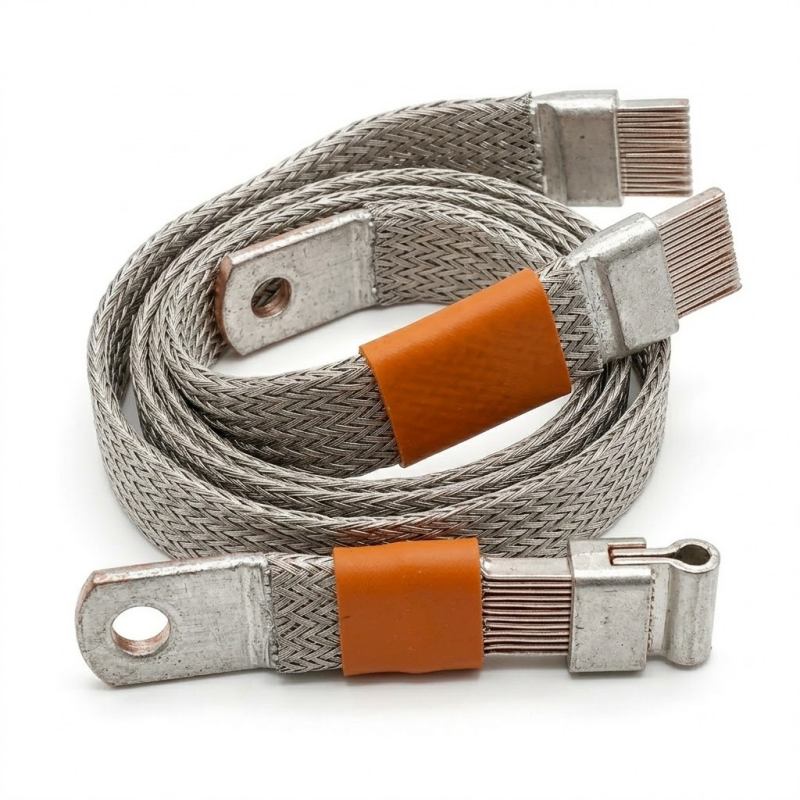
With the rapid adoption of Cell-to-Body (CTB) and Cell-to-Pack (CTP) battery designs in 2026, traditional cabling is being replaced by integrated EV Busbar Harnesses. SINNHONG’s new Shielded High-Voltage Busbar series addresses the industry's most pressing challenge: EMI Suppression. By utilizing IPC-A-620 Class 3 Standards and UL Listed Wire, SINNHONG ensures that its interconnects provide the zero-failure reliability required for high-frequency switching environments in luxury EVs and Heavy-Duty Electric Trucks.
In response to the evolving 2026 trade landscape, SINNHONG has optimized its dual-base manufacturing strategy. By shifting high-volume production of Tin-Plated Copper Busbars and Nickel-Plated Aluminum Power Rails to its Vietnam facility, the company provides North American and European Tier 1 OEMs with a vital Section 301 Tariff-Exempt sourcing route.
"Our 2026 roadmap is centered on 'Supply Chain Resiliency' and 'Landed-Cost Optimization'," stated the Lead Engineering Director at SINNHONG. "By combining our DFM-optimized prototyping in China with duty-free mass production in Vietnam, we offer a seamless, high-dielectric solution that meets both IATF 16949 automotive rigors and the aggressive cost targets of modern EV startups."
Sustainability and range extension are the core drivers of 2026 EV R&D. SINNHONG is at the forefront of this shift with its Ultrasonic-Welded Bimetallic Transitions. This technology allows for Lightweight Aluminum Busbars to be used in non-critical paths while maintaining high-conductivity copper at terminal points, effectively reducing battery pack weight by up to 25%.
As the Megawatt Charging System (MCS) and eVTOL sectors expand, SINNHONG remains committed to delivering Partial Discharge-Free interconnects that can handle up to 1500A, solidifying its position as the preferred partner for the world’s most ambitious electrification projects.
 sales@sinnhong.com
 Whatsapp: 8613543700314
 Send us message
